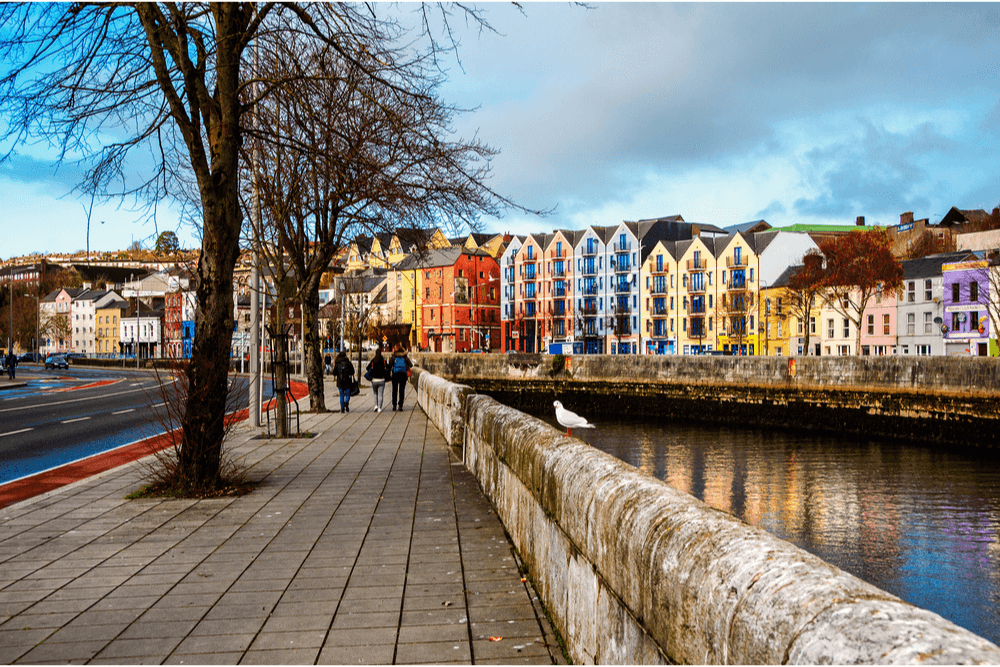
Population: Cork, Ireland's second-largest city, has a population of approximately 210,000 in its metropolitan area. The city proper has around 125,000 residents. Cork has experienced steady growth, with a mix of native Irish and a growing immigrant population contributing to its diversity. The city has a younger demographic profile than the national average, partly due to its large student population.
Medical Facilities: Cork's healthcare system comprises both public and private facilities:
- Cork University Hospital (CUH): The largest hospital in Cork and the largest university teaching hospital in Ireland. It's the primary centre for cancer and cardiac care in the region and houses the only Level 1 trauma centre in the country outside Dublin.
- Mercy University Hospital: Located in the city centre, it's a voluntary, not-for-profit Catholic hospital providing a range of inpatient and outpatient services.
- South Infirmary Victoria University Hospital: Specialises in several areas including orthopaedics, ophthalmology, and ear, nose and throat services.
- Bon Secours Hospital: The largest private hospital in Cork, offering a wide range of services.
Cork also has several specialist facilities, including Cork University Maternity Hospital and the Mater Private Cork. The city faces similar challenges to Dublin regarding waiting times for certain procedures in the public system, though generally to a lesser extent.
Culture: Cork has a rich cultural scene, often seeing itself as a counterpoint to Dublin's dominance.
Music: Cork has a vibrant music scene, from traditional Irish music in pubs to contemporary acts at venues like Cyprus Avenue and the Cork Opera House. The city hosts the Cork Jazz Festival annually, one of Europe's major jazz events.
Literature: Cork has produced notable writers like Frank O'Connor and Conal Creedon. The Cork International Poetry Festival and the Cork International Short Story Festival celebrate the city's literary heritage.
Art: The Crawford Art Gallery houses a significant collection of Irish art. The Glucksman Gallery at University College Cork is known for its contemporary exhibitions.
Theatre: The Cork Opera House and the Everyman Theatre offer a mix of local and touring productions.
Food: Cork is known as the "food capital" of Ireland. The English Market, a covered market dating from 1788, is a foodie's paradise and one of the city's top attractions.
Festivals: Cork hosts numerous festivals throughout the year, including the Cork Midsummer Festival, the Cork Film Festival, and the Guinness Cork Jazz Festival.
"Rebel" Culture: Cork's nickname is the "Rebel County," stemming from its support of the Pretender to the English throne in the War of the Roses. This independent spirit is still evident in local culture and sports rivalries.
Crime Rates: Cork generally has lower crime rates than Dublin: • Violent crime rates are relatively low, but there have been concerns about increases in assaults in the city centre, particularly late at night. • Drug-related crime is an ongoing issue, with concerns about the increasing prevalence of hard drugs. • Anti-social behaviour, often associated with alcohol consumption, is a problem in some areas, particularly on weekends. • Burglary rates have been decreasing in recent years due to targeted policing efforts.
The Cork City Division of An Garda Síochána has implemented community policing strategies and increased foot patrols in the city centre to address these issues.
Notable Features:
- University College Cork (UCC): Founded in 1845, UCC is a major research university and a significant employer in the region. Its historic quadrangle and the stone corridor are popular tourist attractions.
- Cork Harbour: The second-largest natural harbour in the world (after Sydney), it's home to the Port of Cork and the coastal town of Cobh, the last port of call for the Titanic.
- Blarney Castle: Located just outside the city, this 15th-century castle is home to the famous Blarney Stone, said to give "the gift of the gab" to those who kiss it.
- St. Fin Barre's Cathedral: A stunning example of French Gothic revival architecture, designed by William Burges.
- Cork City Gaol: A former prison turned museum, offering insight into 19th-century prison life.
- The Bells of Shandon: The tower of St. Anne's Church, known for its salmon-shaped weathervane, offers panoramic views of the city.
- Elizabeth Fort: A 17th-century star-shaped fort that now serves as a police museum.
- Fitzgerald's Park: A beautiful public park along the River Lee, home to the Cork Public Museum.
Transport: Cork is served by Bus Éireann for city and intercity routes. While there have been plans for a light rail system, these haven't materialised. Cork Kent railway station connects the city to Dublin and other major Irish cities. Cork Airport, the second-busiest in the Republic of Ireland, offers flights to various European destinations.
Economy: Cork has a diverse economy with strengths in pharmaceuticals, technology, and agri-food: • The region is home to operations of multinational corporations like Apple, Johnson & Johnson, and Pfizer. • The city centre has seen significant redevelopment, with the Docklands project aiming to create a new business district. • Tourism is a growing sector, with the Wild Atlantic Way driving increased visitor numbers.
Challenges: Cork faces several challenges:
- Housing: Like Dublin, Cork is experiencing rising rents and house prices, though not to the same extent.
- Transport Infrastructure: The city's growth has put pressure on its transport system, with calls for improved public transport options.
- Flood Risk: Parts of Cork city centre is vulnerable to flooding, with ongoing debates about the best flood protection strategies.
- Brexit Impact: As a major port city, Cork is grappling with the implications of Brexit on trade and the local economy.
- Urban Sprawl: There are concerns about the sustainability of Cork's urban growth pattern and its impact on the surrounding countryside.
Despite these challenges, Cork continues to grow and develop. Its combination of economic opportunities, rich cultural life, and beautiful surrounding countryside make it an attractive place to live and visit. The city's development plan aims to position Cork as a counterbalance to Dublin, potentially alleviating some of the capital's growth pressures.
For more information on visiting Cork, you can check out Visit Cork.
Useful Healthcare Recruitment Links
Overseas Doctors to Ireland Recruitment