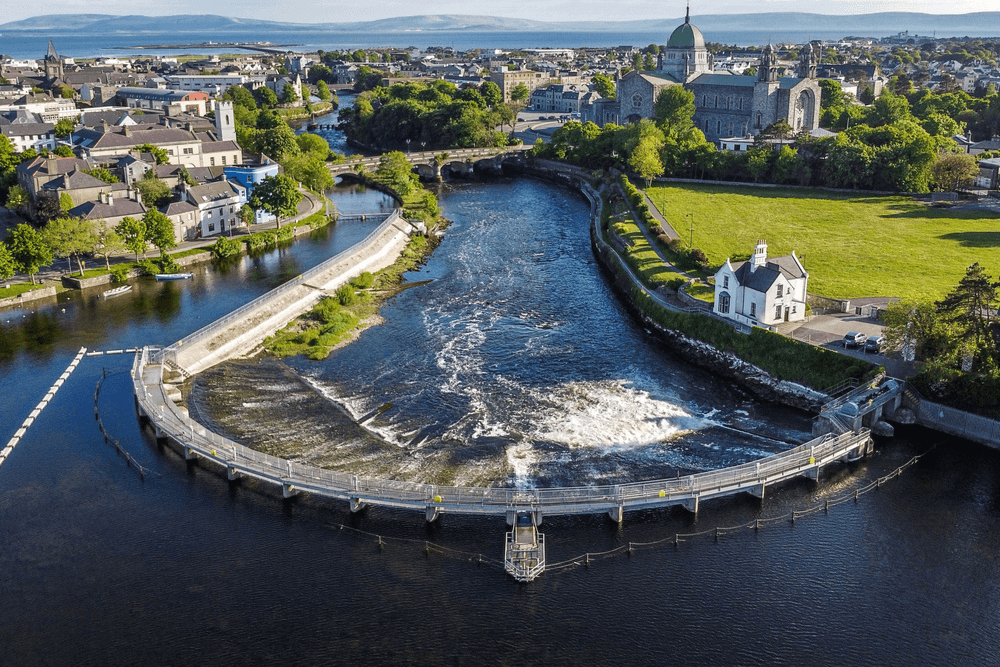
Population: Galway, often referred to as Ireland's "Cultural Heart," has a population of approximately 80,000 in the city proper, with the metropolitan area reaching around 100,000. The city has experienced significant growth in recent decades, driven by its university, thriving tech sector, and reputation as a desirable place to live.
Medical Facilities: Galway's healthcare system is centred around:
- University Hospital Galway: The main public hospital for the region, it's a teaching hospital affiliated with NUI Galway and provides a wide range of acute services.
- Merlin Park University Hospital: Specialises in elective procedures and rehabilitation services.
- Bon Secours Hospital Galway: A private hospital offering a range of specialties and advanced diagnostic services.
- Galway Clinic: Another private hospital known for its cardiac and cancer care services.
Galway is also home to several specialist medical device and pharmaceutical companies, contributing to its reputation as a centre for medical innovation.
Culture: Galway's vibrant culture is central to its identity:
Arts: Galway was the European Capital of Culture for 2020. The city hosts numerous festivals, including the Galway International Arts Festival and the Galway Film Fleadh.
Music: Traditional Irish music is a significant part of Galway's culture, with live sessions in pubs throughout the city. The city also has a thriving contemporary music scene.
Theatre: Druid Theatre Company, founded in Galway, is internationally renowned. The city also hosts the Galway Theatre Festival.
Literature: Galway has strong literary connections, with writers like Nora Barnacle (James Joyce's wife) hailing from the city. The Cúirt International Festival of Literature is held annually.
Gaelic Culture: Galway is a stronghold of the Irish language, with many Gaeltacht (Irish-speaking) areas in the county.
Food: Galway is known for its food scene, from the famous Galway Bay oysters to innovative restaurants using local produce.
Crime Rates: Galway generally has lower crime rates compared to larger Irish cities: • Violent crime rates are relatively low, but there have been concerns about increases in assaults, particularly late at night in the city centre. • Drug-related crime is present but not as prevalent as in some other Irish cities. • Anti-social behaviour, often linked to the city's active nightlife, is a recurring issue. • Theft and burglary rates are relatively low but remain a focus for local law enforcement.
The Galway Garda Division emphasizes community policing and works closely with local organizations to maintain the city's generally safe environment.
Notable Features:
- National University of Ireland, Galway (NUIG): A major driver of the city's economy and cultural life, with a beautiful campus along the River Corrib.
- Eyre Square: The city's central public square, recently renovated and a popular gathering place.
- Spanish Arch: A remnant of the city's medieval walls, now a popular tourist spot.
- Salthill Promenade: A long promenade along Galway Bay, popular for walks and home to several beaches.
- Galway Cathedral: A relatively modern cathedral (1960s) with an impressive dome, visible from much of the city.
- Galway City Museum: Chronicles the history and culture of the city and region.
- Connemara: While not in the city itself, this beautiful region is easily accessible from Galway and is a major draw for tourists.
Economy: Galway's economy is diverse and growing: • The city has a strong technology sector, with major employers including Medtronic, Boston Scientific, and EA Games. • Tourism is a significant contributor to the local economy, with Galway serving as a gateway to the West of Ireland. • The university and hospitals make education and healthcare important economic sectors. • Traditional industries like fishing and agriculture remain important in the wider county.
Challenges: Galway faces several challenges:
- Housing: Like other Irish cities, Galway is experiencing rising rents and house prices, putting pressure on affordability.
- Traffic Congestion: The city's infrastructure has struggled to keep pace with its growth, leading to significant traffic problems.
- Urban Sprawl: There are concerns about the sustainability of Galway's growth pattern and its impact on the surrounding countryside.
- Seasonal Economy: The city's reliance on tourism can lead to seasonal fluctuations in employment.
- Weather: Galway's western location means it experiences a lot of rainfall, which can impact quality of life and tourism.
Despite these challenges, Galway continues to thrive. Its combination of economic opportunities, rich cultural life, and beautiful natural surroundings make it an attractive place to live and visit. The city's development plan aims to manage growth sustainably while preserving Galway's unique character and quality of life.
For more information on visiting Galway, you can check out Visit Galway.
Useful Healthcare Recruitment Links
Overseas Doctors to Ireland Recruitment
Overseas Nurses to Ireland Recruitment
Overseas Care Workers to Ireland Recruitment