Population: Limerick, Ireland's third-largest city, has a population of approximately 94,000 in the city proper, with the metropolitan area reaching around 100,000. The city has seen modest growth in recent years, with efforts to rejuvenate the urban core and attract new residents and businesses.
Medical Facilities: Limerick's healthcare is primarily served by:
- University Hospital Limerick: The main hospital for the region, providing a wide range of acute services. It's the only 24/7 emergency department in the Mid-West region.
- St. John's Hospital: A voluntary public hospital in the city centre, known for its friendly, community-oriented approach.
- Bon Secours Hospital Limerick at Barringtons: A private hospital offering various specialties and advanced diagnostic services.
- Milford Care Centre: Provides specialist palliative care services for the Mid-West region.
Like other Irish cities, Limerick faces challenges with waiting times in the public health system, particularly at University Hospital Limerick, which often experiences overcrowding in its emergency department.
Culture: Limerick has a rich cultural heritage and a vibrant contemporary scene:
Literature: Limerick has strong literary connections, being the setting for Frank McCourt's memoir "Angela's Ashes". The Frank McCourt Museum celebrates this heritage.
Music: The city has a thriving music scene, from traditional Irish music to contemporary genres. The Limerick Jazz Festival and the Blas International Summer School of Irish Traditional Music and Dance are notable annual events.
Art: The Limerick City Gallery of Art houses an important collection of Irish art. EVA International, Ireland's biennial of contemporary art, is based in Limerick.
Sport: Limerick is passionate about sport, particularly rugby and Gaelic games. Thomond Park, home of Munster Rugby, is famous for its unique atmosphere.
Festivals: Limerick hosts various festivals throughout the year, including Riverfest, the Limerick Fringe Festival, and the Richard Harris International Film Festival.
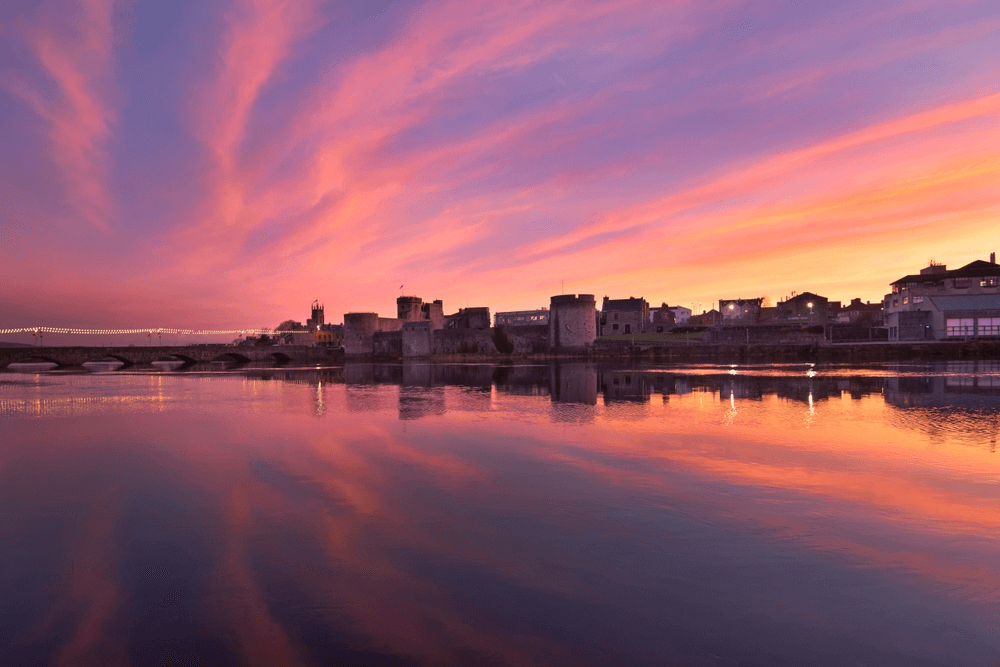
History: King John's Castle, a 13th-century fortress, is a major historical attraction. The Hunt Museum houses an eclectic collection of antiquities and fine art.
Crime Rates: Limerick has worked hard to improve its reputation in recent years: • The city faced significant challenges with gang-related crime in the past, but targeted policing and community initiatives have led to substantial improvements. • Drug-related crime remains a concern, as in many urban areas. • Anti-social behaviour, often linked to alcohol consumption, is an issue in some areas, particularly on weekends. • Burglary and theft rates have decreased in recent years but remain a focus for local law enforcement.
The Limerick Garda Division has implemented community policing strategies and works closely with local organisations to address crime and its root causes.
Notable Features:
- University of Limerick: Located on the outskirts of the city, it's known for its excellent sporting facilities and innovative programs.
- Thomond Park Stadium: Home to Munster Rugby, it's renowned for its unique atmosphere during matches.
- People's Park: A beautiful Victorian-era park in the city centre, popular with locals and visitors alike.
- Milk Market: A covered market that has been operating since 1852, now a hub for local produce and artisanal foods.
- Georgian Quarter: The Newtown Pery area features well-preserved Georgian architecture.
- Limerick Greenway: A 40km off-road walking and cycling route following an old railway line, connecting Limerick to Kerry.
- Treaty Stone: Said to be the stone on which the Treaty of Limerick was signed in 1691, ending the Williamite War.
Economy: Limerick's economy has diversified in recent years: • The city has attracted significant foreign direct investment, with companies like Dell, Johnson & Johnson, and Analog Devices having major operations in the area. • The National Technology Park, adjacent to the University of Limerick, hosts numerous technology and research companies. • Tourism is a growing sector, with Limerick positioning itself as a gateway to the Wild Atlantic Way. • The city centre has seen significant regeneration, with the Limerick 2030 plan aiming to transform the urban core.
Challenges: Limerick faces several ongoing challenges:
- Social Deprivation: Some areas of the city continue to struggle with high levels of unemployment and social issues.
- Urban Regeneration: While progress has been made, there are still areas of the city in need of redevelopment.
- Transport Infrastructure: The city's public transport system is primarily bus-based, with calls for improved connectivity.
- Brain Drain: Retaining graduates from the University of Limerick and Limerick Institute of Technology in the local economy is an ongoing challenge.
- Flooding: Parts of the city are vulnerable to flooding from the River Shannon, necessitating ongoing flood defence works.
Despite these challenges, Limerick has made significant strides in recent years. The city's strategic location, improving economic prospects, and rich cultural heritage position it well for future growth and development. The Limerick 2030 plan aims to transform the city's economy and urban landscape, with ambitious targets for job creation and inward investment.
For more information on visiting Limerick, you can check out Visit Limerick.
Useful Healthcare Recruitment Links
Overseas Doctors to Ireland Recruitment
Overseas Nurses to Ireland Recruitment
Overseas Care Workers to Ireland Recruitment